


Breathing Problems
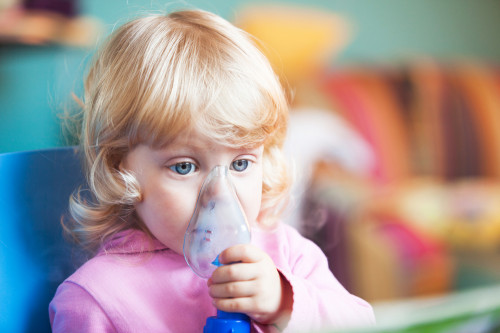
Sudden shortness of breath, or breathing difficulty (dyspnoea), is the most common reason for visiting accident and emergency department.
It is normal to get out of breath when you have over-exerted yourself, but when breathlessness comes on suddenly and unexpectedly, it is usually a warning sign of a medical condition. If you have struggled with your breathing for a while, don't ignore it see your GP!
It's also one of the most common reasons people call 999 for an ambulance.
The information below outlines the most common reasons for:
- sudden shortness of breath
- long-term shortness of breath
This guide shouldn't be used to self-diagnose your condition, but should give you an idea of what's causing your breathlessness.
When to call a doctor
You should call your GP immediately if you have sudden shortness of breath, as there may be a problem with your airways or heart.
Your GP will assess you over the phone, and may either visit you at home or admit you to hospital. If your shortness of breath is the result of anxiety, you may be asked to come to the surgery rather than a home visit.
If you've struggled with your breathing for a while, don't ignore it. See your GP as it's likely you have a long-term condition, such as obesity, asthma or chronic obstructive pulmonary disease (COPD), which needs to be managed properly. Scroll down for more information on the above long-term conditions.
Your doctor may ask you some questions, such as:
- Did the breathlessness come on suddenly or gradually?
- Did anything trigger it, such as exercise?
- How bad is it? Does it only happen when you've been active, or when you're not doing anything?
- Is there any pain when you breathe?
- Do you have a cough?
- Do certain positions make it worse – for example, are you unable to lie down?
Feeling like you can't get enough air can be terrifying, but doctors are well trained in managing this. You may be given extra oxygen to breathe if this is needed.
Causes of sudden shortness of breath
Sudden and unexpected breathlessness is most likely to be caused by one of the following health conditions. Click on the links below for more information about these conditions.
A problem with your lungs or airways
Sudden breathlessness could be an asthma attack. This means your airways have narrowed and you'll produce more phlegm (sticky mucus), which causes you to wheeze and cough. You'll feel breathless because it's difficult to move air in and out of your airways.
Your GP may advise you to use a spacer device with your asthma inhaler. This delivers more medicine to your lungs, helping to relieve your breathlessness.
Pneumonia (lung inflammation) may also cause shortness of breath and a cough. It's usually caused by an infection, so you'll need to take antibiotics.
If you have COPD, it's likely your breathlessness is a sign this condition has suddenly got worse.
A heart problem
It's possible to have a "silent" heart attack without experiencing all the obvious symptoms, such as chest pain and overwhelming anxiety.
In this case, shortness of breath may be the only warning sign you're having a heart attack. If you or your GP think this is the case, they'll give you aspirin and admit you to hospital straight away.
Heart failure can also cause breathing difficulties. This life-threatening condition means your heart is having trouble pumping enough blood around your body, usually because the heart muscle has become too weak or stiff to work properly. It leads to a build-up of water inside the lungs, which makes breathing more difficult.
A combination of lifestyle changes and medicines or surgery will help the heart pump better and relieve your breathlessness.
Breathlessness could also relate to a problem with your heart rate or rhythm, such as atrial fibrillation (an irregular and fast heart rate) or supraventricular tachycardia (regular and fast heart rate).
Panic attack or anxiety
A panic attack or anxiety can cause you to take rapid or deep breaths, known as hyperventilating. Concentrating on slow breathing or breathing through a paper bag should bring your breathing back to normal.
More unusual causes
These include:
- a severe allergic reaction (anaphylaxis)
- pneumothorax – partial collapse of your lung caused by a small tear in the lung surface, which allows air to become trapped in the space around your lungs
- pulmonary embolism – a blockage in one of the blood vessels in the lung
- idiopathic pulmonary fibrosis – a rare and poorly understood lung condition that causes scarring of the lungs
- pleural effusion – a collection of fluid next to the lung
- diabetic ketoacidosis – a complication of diabetes where acids build up in your blood and urine
Causes of long-term breathlessness
Long-term breathlessness is usually caused by:
- obesity or being unfit
- poorly controlled asthma
- chronic obstructive pulmonary disease (COPD) – permanent damage to the lungs usually caused by years of smoking
- anaemia – a low level of oxygen in the blood caused by a lack of red blood cells or haemoglobin (the part of red blood cells that carries oxygen)
- heart failure – when your heart is having trouble pumping enough blood around your body, usually because the heart muscle has become too weak or stiff to work properly
- a problem with your heart rate or rhythm, such as atrial fibrillation (an irregular and fast heart rate) or supraventricular tachycardia (regular and fast heart rate)
More unusual causes of long-term breathlessness are:
- bronchiectasis – a lung condition where the airways are abnormally widened and you have a persistent phlegmy cough
- pulmonary embolism – a recurrent blockage in a blood vessel in the lung
- partial collapse of your lung caused by lung cancer
- pleural effusion – a collection of fluid next to the lung
- narrowing of the main heart valve, restricting blood flow to the rest of the body
- frequent panic attacks, which can cause you to hyperventilate (take rapid or deep breaths)
Asthma
Asthma is a common long-term condition that can cause coughing, wheezing, chest tightness and breathlessness.
The severity of these symptoms varies from person to person. Asthma can be controlled well in most people most of the time, although some people may have more persistent problems.
Occasionally, asthma symptoms can get gradually or suddenly worse. This is known as an "asthma attack", although doctors sometimes use the term "exacerbation".
Severe attacks may require hospital treatment and can be life threatening, although this is unusual.
Speak to your GP if you think you or your child may have asthma. You should also talk to your doctor or asthma nurse if you have been diagnosed with asthma and you are finding it difficult to control your symptoms.
Read more about the symptoms of asthma and diagnosing asthma.
Access the NHS Choices asthma self-assessment tool here.
What causes asthma?
Asthma is caused by inflammation of the small tubes, called bronchi, which carry air in and out of the lungs. If you have asthma, the bronchi will be inflamed and more sensitive than normal.
When you come into contact with something that irritates your lungs – known as a trigger – your airways become narrow, the muscles around them tighten, and there is an increase in the production of sticky mucus (phlegm).
Common asthma triggers include:
- house dust mites
- animal fur
- pollen
- cigarette smoke
- exercise
- viral infections
Asthma may also be triggered by substances (allergens or chemicals) inhaled while at work. Speak to your GP if you think your symptoms are worse at work and get better on holiday.
The reason why some people develop asthma is not fully understood, although it is known that you are more likely to develop it if you have a family history of the condition.
Asthma can develop at any age, including in young children and elderly people.
Read more about the causes of asthma.
Who is affected?
In the UK, around 5.4 million people are currently receiving treatment for asthma.
That's the equivalent of 1 in every 12 adults and 1 in every 11 children. Asthma in adults is more common in women than men.
How asthma is treated
While there is no cure for asthma, there are a number of treatments that can help control the condition.
Treatment is based on two important goals, which are:
- relieving symptoms
- preventing future symptoms and attacks
For most people, this will involve the occasional – or, more commonly, daily – use of medications, usually taken using an inhaler. However, identifying and avoiding possible triggers is also important.
You should have a personal asthma action plan agreed with your doctor or nurse that includes information about the medicines you need to take, how to recognise when your symptoms are getting worse, and what steps to take when they do so.
Read more about treating asthma and living with asthma.
Symptoms
The symptoms of asthma can range from mild to severe. Most people will only experience occasional symptoms, although a few people will have problems most of the time.
The main symptoms of asthma are:
- wheezing (a whistling sound when you breathe)
- shortness of breath
- a tight chest – which may feel like a band is tightening around it
- coughing
These symptoms are often worse at night and early in the morning, particularly if the condition is not well controlled. They may also develop or become worse in response to a certain trigger, such as exercise or exposure to an allergen.
Read our page on the causes of asthma for more information about potential triggers.
Speak to your GP if you think you or your child may have asthma. You should also talk to your doctor or asthma nurse if you have been diagnosed with asthma and you are finding it difficult to control the symptoms.
Inhaler Technique - Switch from Symbicourt to Spiromax
How to use your Spiromax
Why is inhaler technique important?
- It allows the correct dose of medication to reach your lungs
- It gives for you better control of your condition
- It could mean you need to use or be prescribed fewer medicines
Checklist for Spiromax use
- Stand or sit upright when using your inhaler
- Hold the inhaler upright with the mouthpiece facing down; take care not to block the air vent.
- Open the mouthpiece cover by folding it down until you hear a loud click
- Breathe out gently as far as is comfortable away from mouthpiece do not breathe in again yet.
- Place the mouthpiece between your teeth without biting and form a good seal around it with your lips.
- Breathe in through your mouth as deeply and fast as you can
- Hold breath for about 10 seconds or as long as is comfortable
- Remove the inhaler from your mouth
- Breathe out gently and slowly away from mouthpiece
- If you need to take a second dose repeat steps 4 to 9
- Close the mouthpiece.
Common Problems
- Not standing, sitting or holding the inhaler upright
- Blocking the air vent
- Not inhaling strongly enough to draw the medication out of the Spiromax and in to your lungs
- Breathing out through the inhaler, remove the inhale from your mouth first
- Not holding your breath long enough after breathing in the contents.
Useful Tips
- Always hold the Spiromax horizontally, take care not to block the air vent
- You may notice a taste when you inhale the medicine
- Always close the mouthpiece after use
- Do not open and close the mouthpiece unless you are going to use the inhaler as this will move the counter without you taking a dose.
- Never wash the inhaler with water. To clean your inhaler, wipe the mouthpiece inside and outside with a clean, dry, lint-free cloth to remove any power residue. Keep your inhaler dry.
- When the numbers become red in the window, you should consult your nurse or doctor and obtain a new inhaler.
- Rinse your mouth out with water and brush your teeth after using your inhaler to reduce the amount of steroid that is deposited in your mouth
- Speak to your nurse or pharmacist if you experience problems with opening or using your inhaler.
- Always read the patient leaflet provided with your inhaler for any specific instructions.
Outlook
For many people, asthma is a long-term condition – particularly if it first develops in adulthood.
Asthma symptoms are usually controllable and reversible with treatment, although some people with long-lasting asthma may develop permanent narrowing of their airways and more persistent problems.
For children diagnosed with asthma, the condition may disappear or improve during the teenage years, although it can return later in life. Moderate or severe childhood asthma is more likely to persist or return later on.
Chronic Obstructive Pulmonary Disease(COPD)
Chronic obstructive pulmonary disease (COPD) is the name for a collection of lung diseases including chronic bronchitis, emphysema and chronic obstructive airways disease.
People with COPD have difficulties breathing, primarily due to the narrowing of their airways, this is called airflow obstruction.
Typical symptoms of COPD include:
- increasing breathlessness when active
- a persistent cough with phlegm
- frequent chest infections
Read more about the symptoms of chronic obstructive pulmonary disease.
Why does COPD happen?
The main cause of COPD is smoking. The likelihood of developing COPD increases the more you smoke and the longer you've been smoking. This is because smoking irritates and inflames the lungs, which results in scarring.
Over many years, the inflammation leads to permanent changes in the lung. The walls of the airways thicken and more mucus is produced. Damage to the delicate walls of the air sacs in the lungs causes emphysema and the lungs lose their normal elasticity. The smaller airways also become scarred and narrowed. These changes cause the symptoms of breathlessness, cough and phlegm associated with COPD.
Some cases of COPD are caused by fumes, dust, air pollution and genetic disorders, but these are rarer.
Read more about the causes of chronic obstructive pulmonary disease.
Who is affected?
COPD is one of the most common respiratory diseases in the UK. It usually only starts to affect people over the age of 35, although most people are not diagnosed until they are in their 50s.
It is thought there are more than 3 million people living with the disease in the UK, of which only about 900,000 have been diagnosed. This is because many people who develop symptoms of COPD do not get medical help because they often dismiss their symptoms as a ‘smoker’s cough’.
COPD affects more men than women, although rates in women are increasing.
Symptoms
Symptoms of chronic obstructive pulmonary disease (COPD) usually develop over a number of years, so you may not be aware you have the condition.
COPD does not usually become noticeable until after the age of 35 and most people diagnosed with the condition are over 50 years old.
See your GP if you have the following symptoms:
- increasing breathlessness when exercising or moving around
- a persistent cough with phlegm that never seems to go away
- frequent chest infections, particularly in winter
- wheezing
Diagnosis
It is important that COPD is diagnosed as early as possible so treatment can be used to try to slow down the deterioration of your lungs. You should see your GP if you have any of the symptoms mentioned above.
COPD is usually diagnosed after a consultation with your doctor, which may be followed by breathing tests.
Read more about diagnosing chronic obstructive pulmonary disease.
Treating COPD
Although the damage that has already occurred to your lungs cannot be reversed, you can slow down the progression of the disease. Stopping smoking is particularly effective at doing this.
Treatments for COPD usually involve relieving the symptoms with medication, for example by using an inhaler to make breathing easier. Pulmonary rehabilitation may also help increase the amount of exercise you are capable of doing.
Surgery is only an option for a small number of people with COPD.
Read more about treating chronic obstructive pulmonary disease.
Living with COPD
COPD can affect your life in many ways, but help is available to reduce its impact.
Simple steps such as living in a healthy way, being as active as possible, learning breathing techniques, and taking your medication can help you to reduce the symptoms of COPD.
Financial support and advice about relationships and end of life care is also available for people with COPD.
Read more about living with chronic obstructive pulmonary disease.
Want to know more?
- British Lung Foundation: COPD
Can COPD be prevented?
Although COPD causes about 25,000 deaths a year in the UK, severe COPD can usually be prevented by making changes to your lifestyle.
If you smoke, stopping is the single most effective way to reduce your risk of getting the condition.
Research has shown you are up to four times more likely to succeed in giving up smoking if you use NHS support along with stop-smoking medicines such as patches or gum. Ask your doctor about this, call the NHS Smoking Helpline on 0300 123 1044 or go to the NHS Smokefree website.
Also avoid exposure to tobacco smoke as much as possible.
Want to know more?
Obesity
Obesity is a term used to describe somebody who is very overweight, with a lot of body fat.
It's a common problem, estimated to affect around one in every four adults and around one in every five children aged 10 to 11 in the UK.
Defining obesity
There are many ways in which a person's health in relation to their weight can be classified, but the most widely used method is body mass index (BMI).
BMI is a measure of whether you're a healthy weight for your height. You can use the BMI healthy weight calculator to work out your score.
For most adults:
- a BMI of 25 to 29.9 means you are considered overweight
- a BMI of 30 to 39.9 means you are considered obese
- a BMI of 40 or above means you are considered severely obese
BMI is not used to definitively diagnose obesity – as people who are very muscular sometimes have a high BMI, without excess fat – but for most people, it can be a useful indication of whether they may be overweight.
A better measure of excess fat is waist circumference, and can be used as an additional measure in people who are overweight (with a BMI of 25 to 29.9) or moderately obese (with a BMI of 30 to 34.9).
Generally, men with a waist circumference of 94cm or more and women with a waist circumference of 80cm or more are more likely to develop obesity-related health problems.
Read more about diagnosing obesity.
Risks of obesity
Taking steps to tackle obesity is important because, in addition to causing obvious physical changes, it can lead to a number of serious and potentially life-threatening conditions, such as:
- type 2 diabetes
- coronary heart disease
- some types of cancer, such as breast cancer and bowel cancer
- stroke
Obesity can also affect your quality of life and lead to psychological problems, such as low self-esteem or depression.
Read more about the complications of obesity.
Causes of obesity
Obesity is generally caused by consuming more calories – particularly those in fatty and sugary foods – than you burn off through physical activity. The excess energy is then stored by the body as fat.
Obesity is an increasingly common problem, because many modern lifestyles often promote eating excessive amounts of cheap, high-calorie food and spending a lot of time sitting at desks, on sofas or in cars.
There are also some underlying health conditions that can occasionally contribute to weight gain, such as an underactive thyroid gland (hypothyroidism), although conditions such as this don’t usually cause weight problems if they are effectively controlled with medication.
Read more about the causes of obesity.
Treating obesity
The best way to treat obesity is to eat a healthy, reduced-calorie diet and to exercise regularly. To do this you should:
- eat a balanced, calorie-controlled diet as recommended by your GP or weight loss management health professional (such as a dietitian)
- join a local weight loss group
- take up activities such as fast walking, jogging, swimming or tennis for 150-300 minutes a week
- eat slowly and avoid situations where you know you could be tempted to overeat
You may also benefit from psychological support from a trained healthcare professional, to help change the way you think about food and eating.
If lifestyle changes alone don't help you lose weight, a medication called orlistat may be recommended. If taken correctly, this medication works by reducing the amount of the fat you absorb during digestion. Your GP will know whether orlistat is suitable for you.
In rare cases, weight loss surgery may be recommended.
Read more about how obesity is treated.
Outlook
There is no "quick fix" for obesity. Weight loss programmes take time and commitment, but they work best when people are able to complete the programmes fully and are offered advice about maintaining the weight loss achieved.
Regularly monitoring your weight, setting realistic goals and involving your friends and family with your attempts to lose weight can also help.
Remember that even losing what seems like a small amount of weight (such as 3% or more of your original body weight), and maintaining this for life, can significantly reduce your risk of obesity-related complications like diabetes and heart disease.

